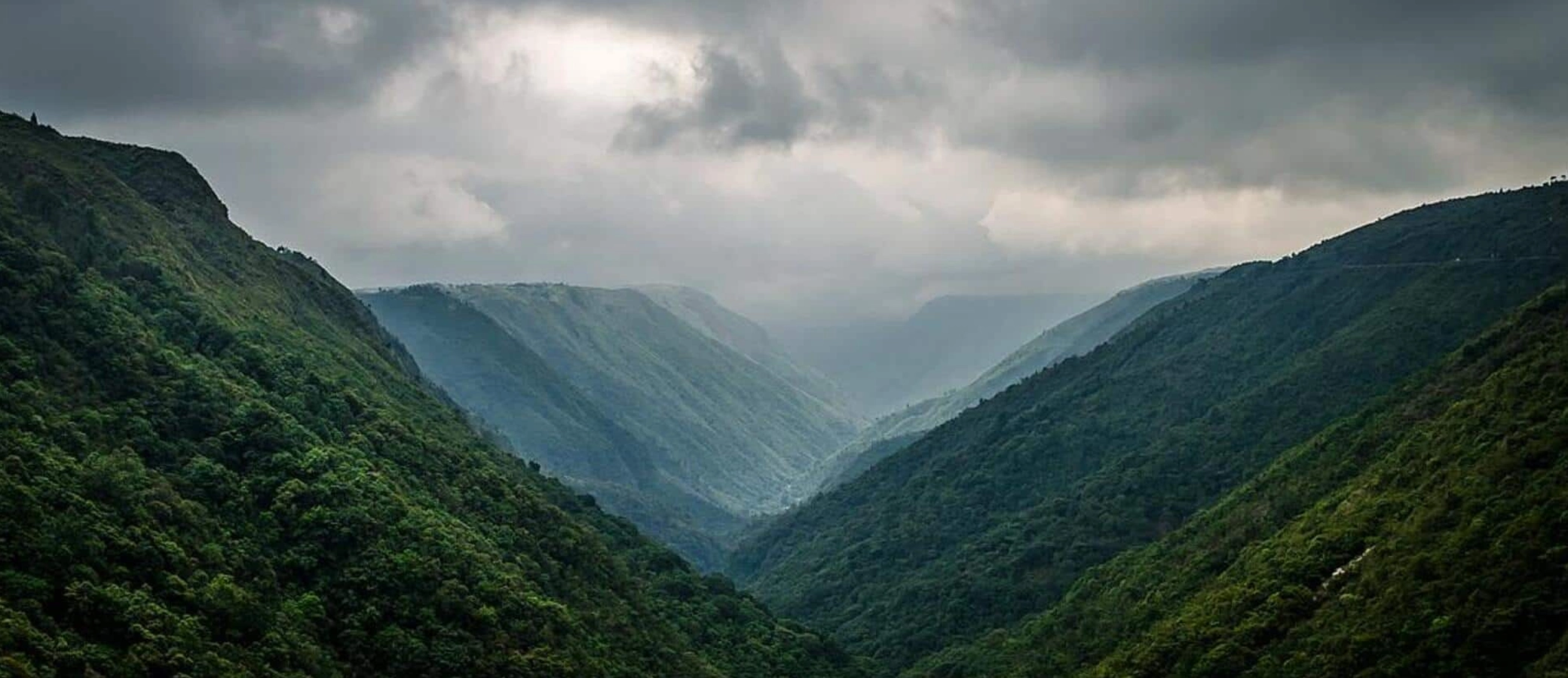
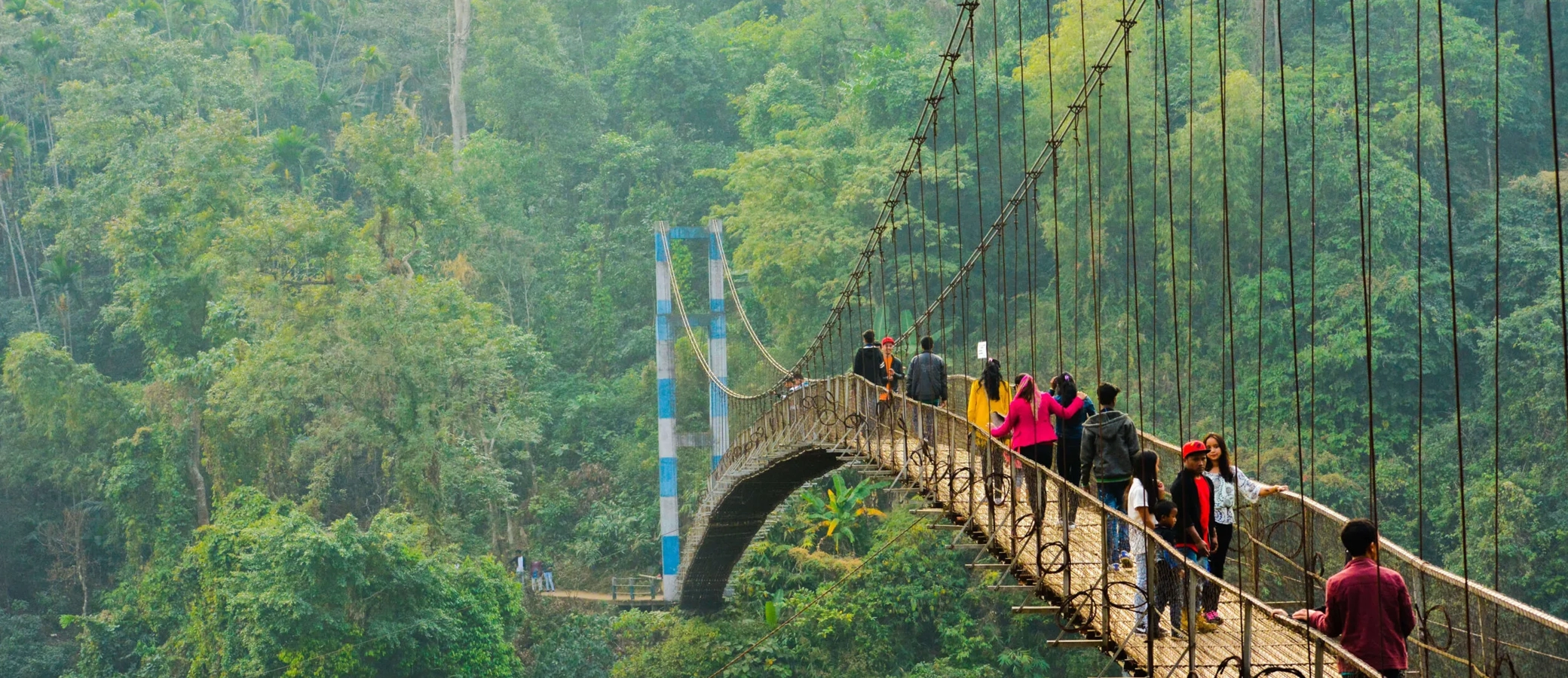
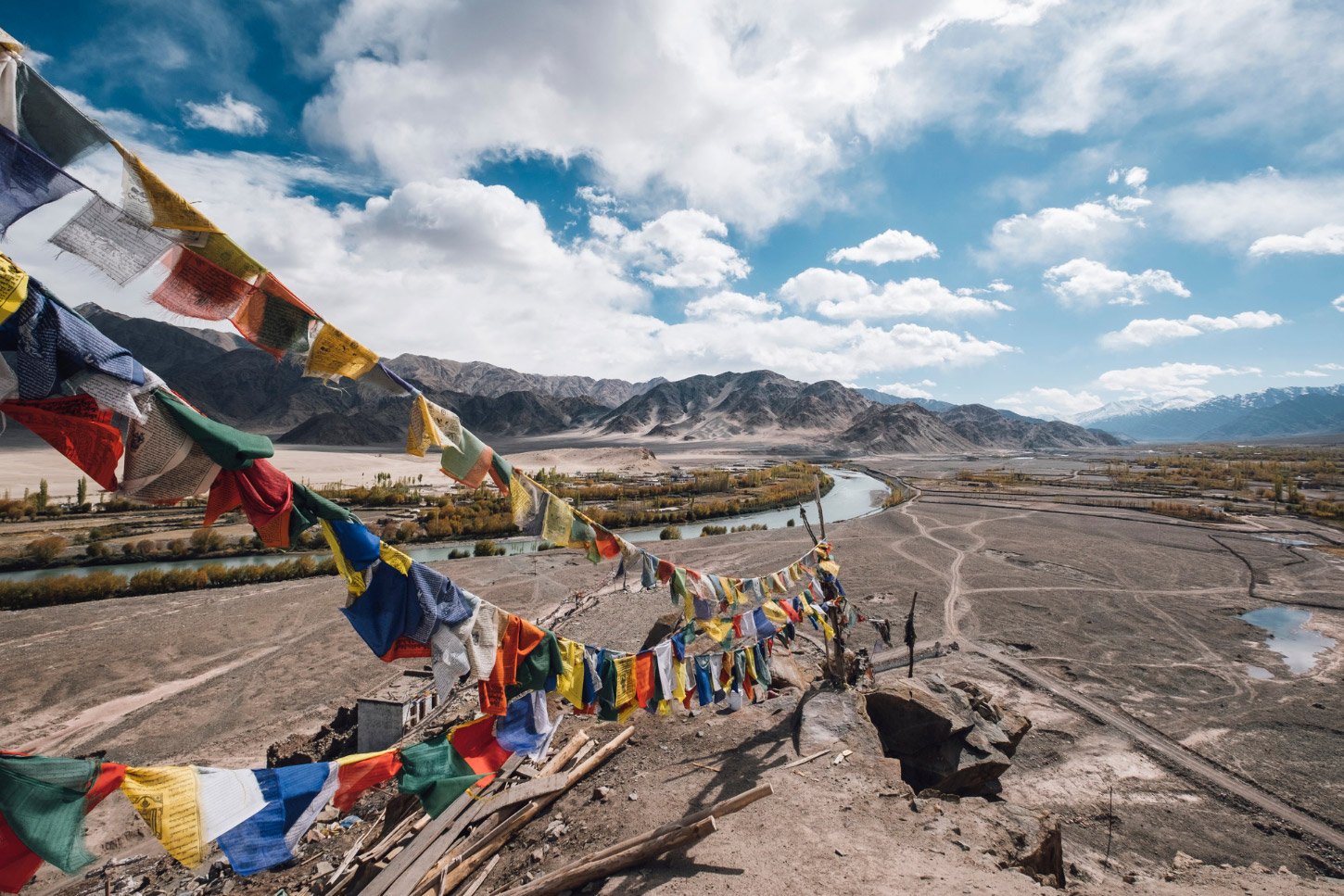
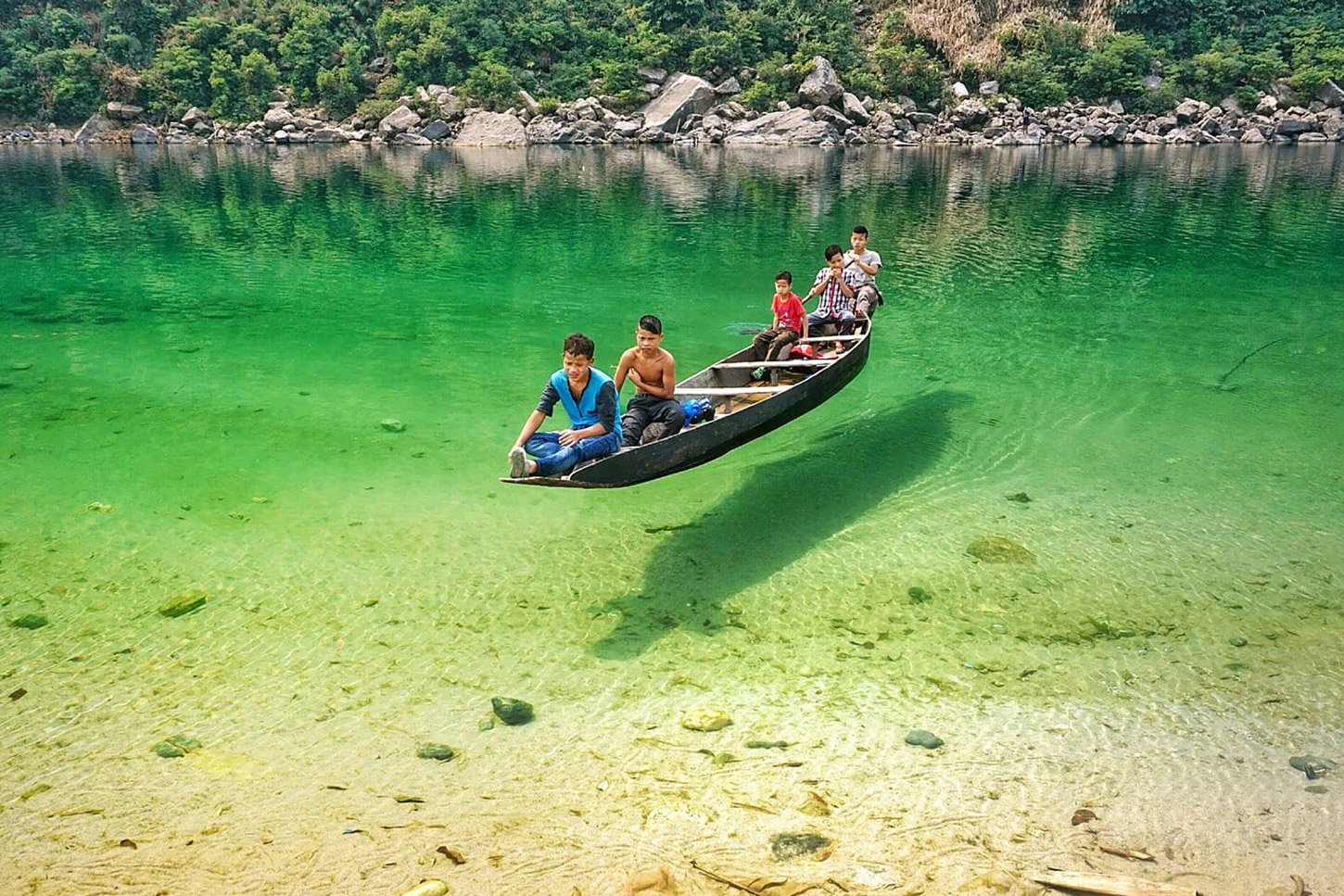
North-East India, often called the “Seven Sisters,” is one of the most culturally rich and geographically diverse regions in India. Comprising Seven states—Arunachal Pradesh, Assam, Manipur, Meghalaya, Mizoram, Nagaland, Tripura—this enchanting region is nestled in the foothills of the Himalayas and bordered by Bhutan, China, Myanmar, and Bangladesh.
Why North East India
North-East India is a land of untouched beauty, rich traditions, and unparalleled cultural diversity. Comprising eight states—Arunachal Pradesh, Assam, Manipur, Meghalaya, Mizoram, Nagaland, Tripura, and Sikkim—the region is a treasure trove for nature lovers, adventure seekers, and culture enthusiasts. With serene landscapes, lush forests, vibrant festivals, and warm hospitality, the North-East offers a refreshing escape from the usual tourist trails. It’s not just a destination—it’s an experience of a lifetime.
Luxury Stays
0+
Satisfied Traveller
0+
Cultural Heritage
North-East India is home to over 200 indigenous tribes, each with unique customs and traditions. Traditional music and dance like Bihu (Assam), Cheraw (Mizoram), and Naga war dances reflect deep-rooted history. Colorful festivals like Hornbill (Nagaland) and Sangai (Manipur) celebrate culture, food, and unity. Handloom and handicrafts are a vital part of local identity—woven with history and symbolism. Sikkim’s Buddhist monasteries echo centuries of peace and spirituality. The region boasts ancient oral traditions, folk stories, and tribal mythology. North-Eastern cuisine is rich in flavor, featuring bamboo shoots, fermented dishes, and wild herbs. The region embraces harmony, with diverse religions coexisting peacefully. Architecture varies from tribal bamboo houses to ancient monasteries. Visitors can witness age-old rituals that still play a key role in daily life and festivals.
top places to visit in North East India
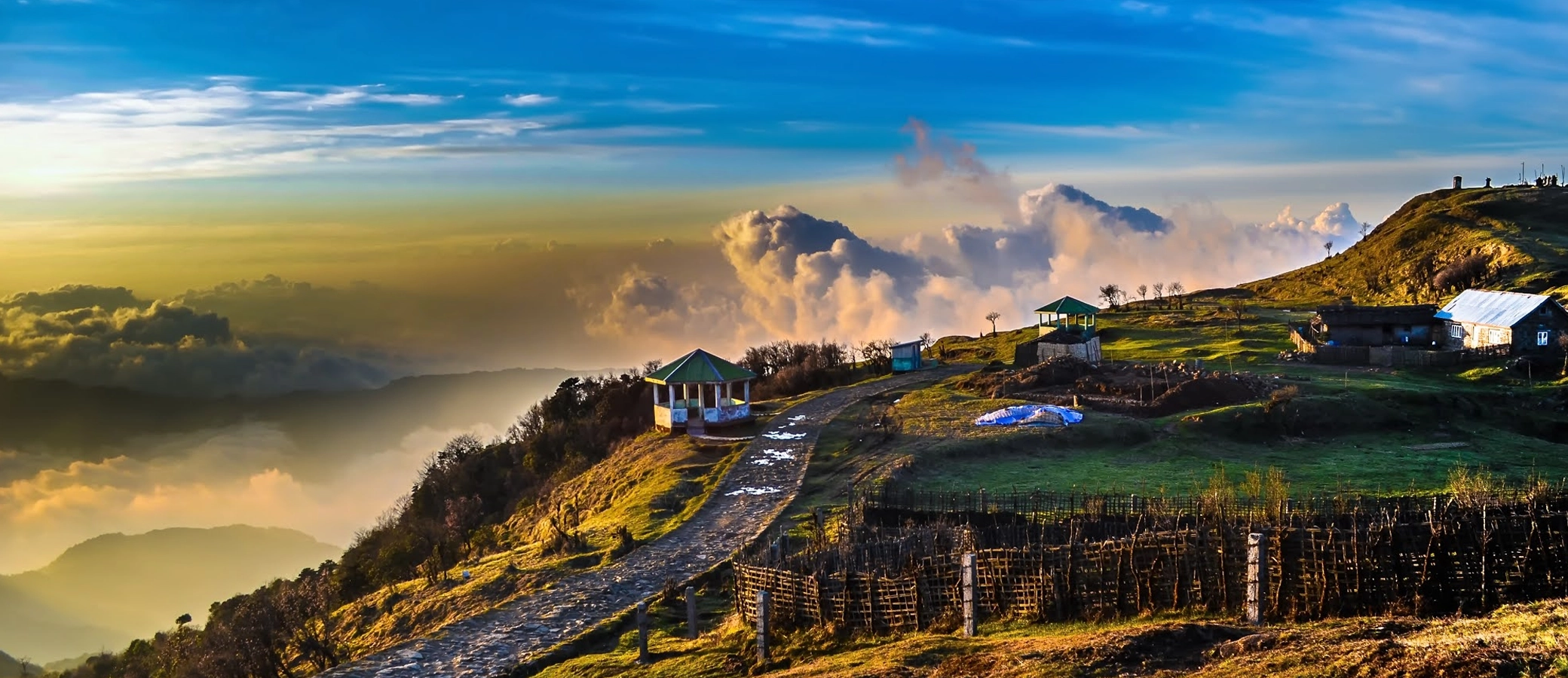
North-East India is dotted with majestic mountains, serene valleys, pristine lakes, and sacred monasteries. From the rolling hills of Meghalaya to the tea gardens of Assam and the hidden villages of Arunachal, the region promises variety and adventure. Trekking, river rafting, cave exploring, and wildlife safaris await thrill-seekers. Spiritual travelers will find peace in Buddhist monasteries and tribal shrines. Every state offers a distinct flavor of culture, landscape, and experience.
Kaziranga National Park (Assam)
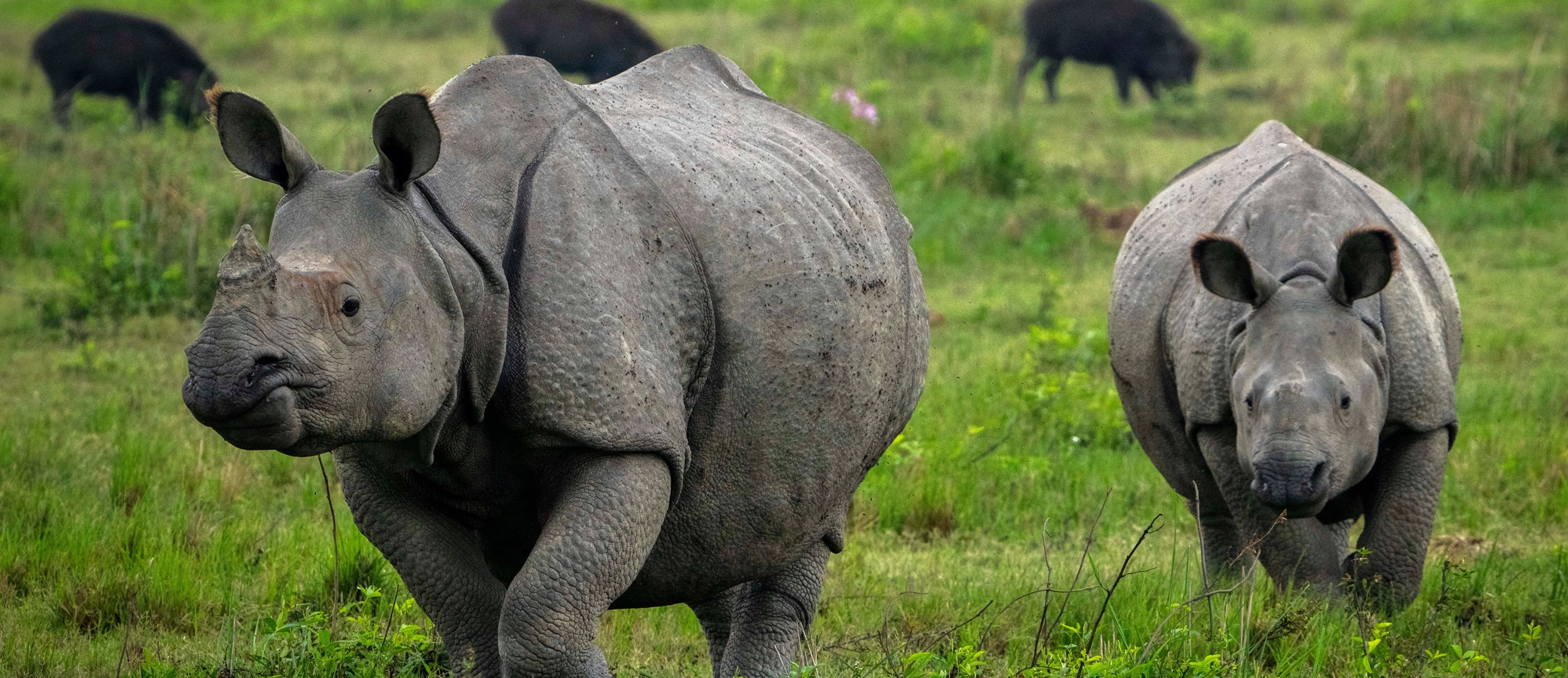
Home to the world’s largest population of one-horned rhinoceroses, Kaziranga is a UNESCO World Heritage Site. The park features tall elephant grass, marshlands, and tropical forests. Jeep and elephant safaris offer thrilling wildlife encounters. It is also a birdwatcher’s paradise with over 480 species recorded. Best time to visit is from November to April.
Tawang (Arunachal Pradesh)
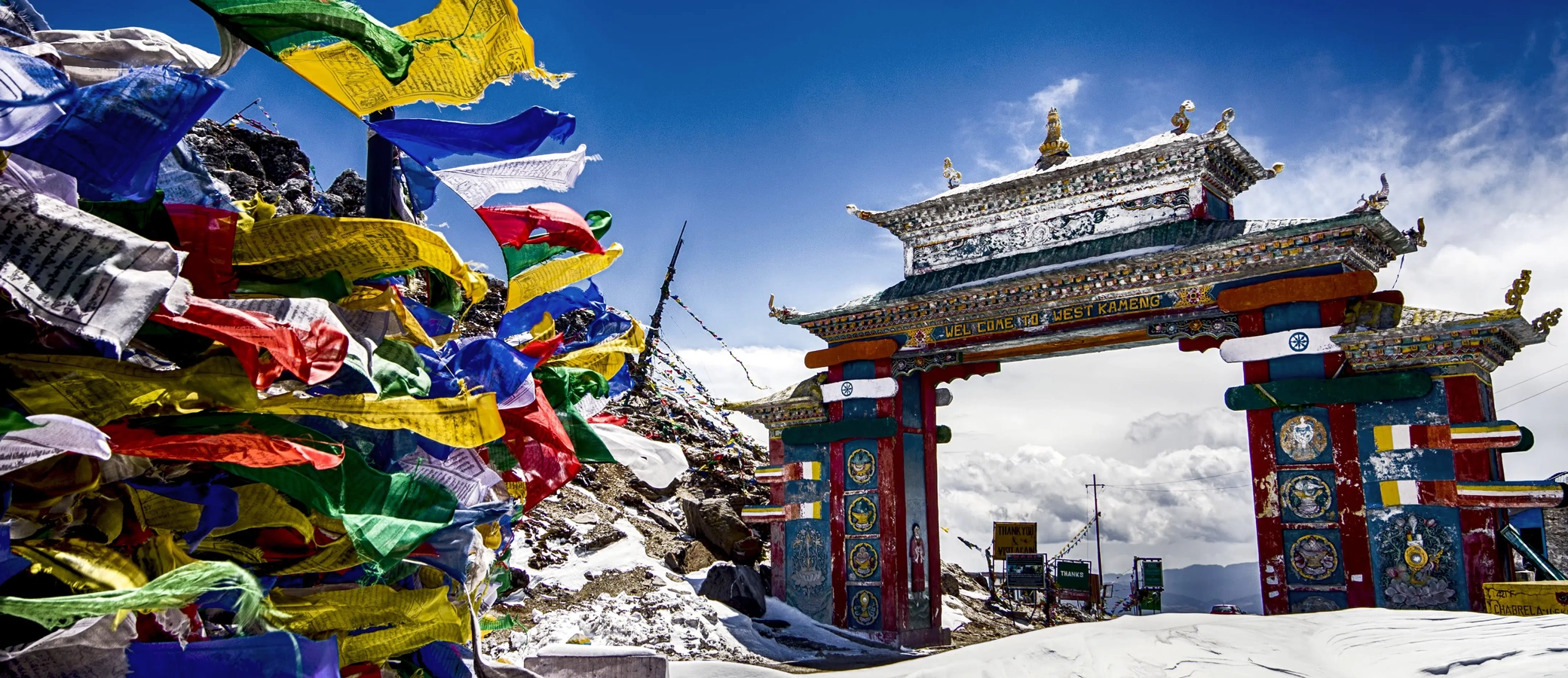
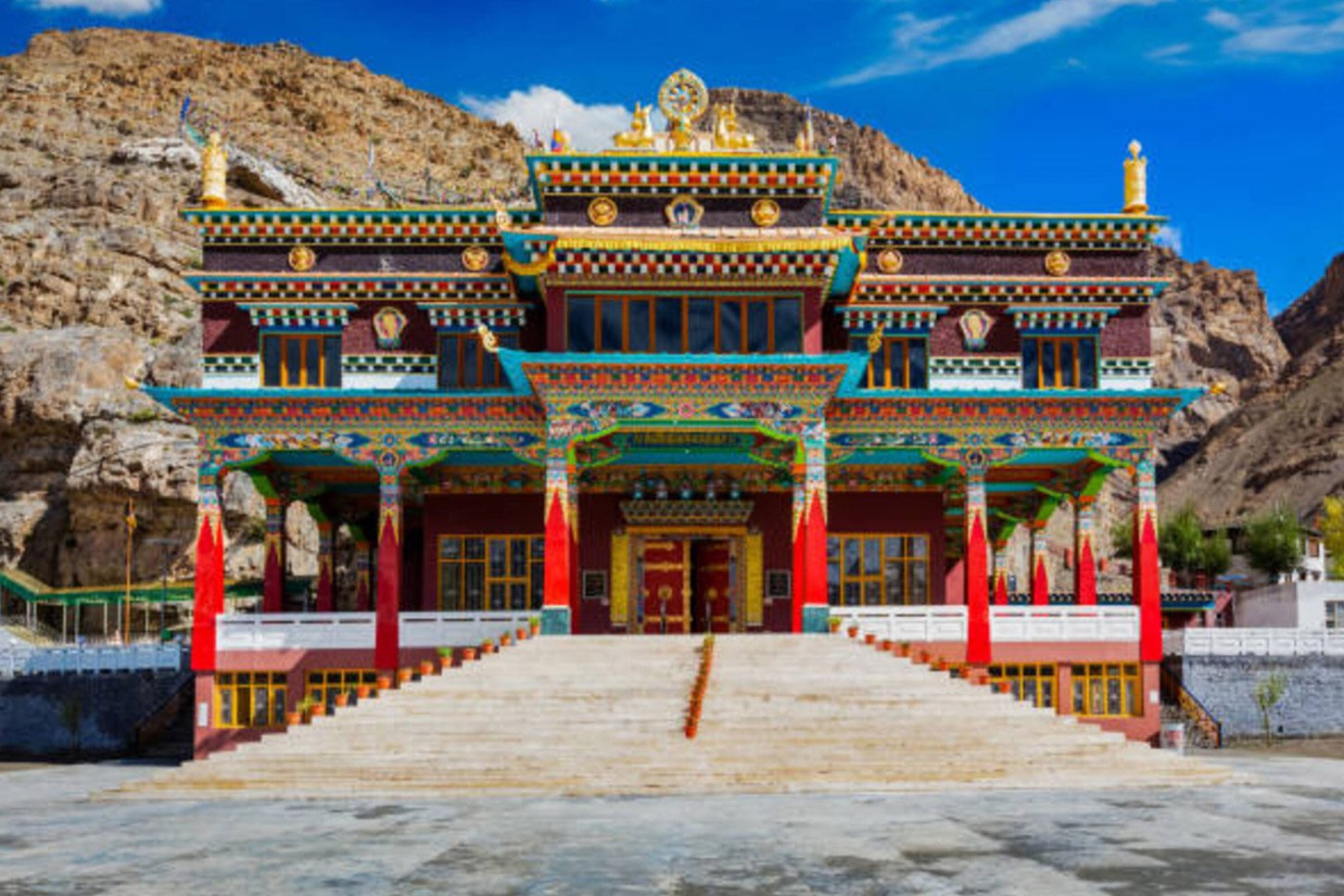
Tawang is known for its stunning landscapes, Buddhist monasteries, and snow-capped peaks. The Tawang Monastery, one of the largest in Asia, is a spiritual and architectural marvel. The town is a gateway to high-altitude lakes like Madhuri Lake. Tawang also played a role in the 1962 Indo-China war, adding historical significance. The serene atmosphere makes it ideal for spiritual retreats.
Shillong (Meghalaya)
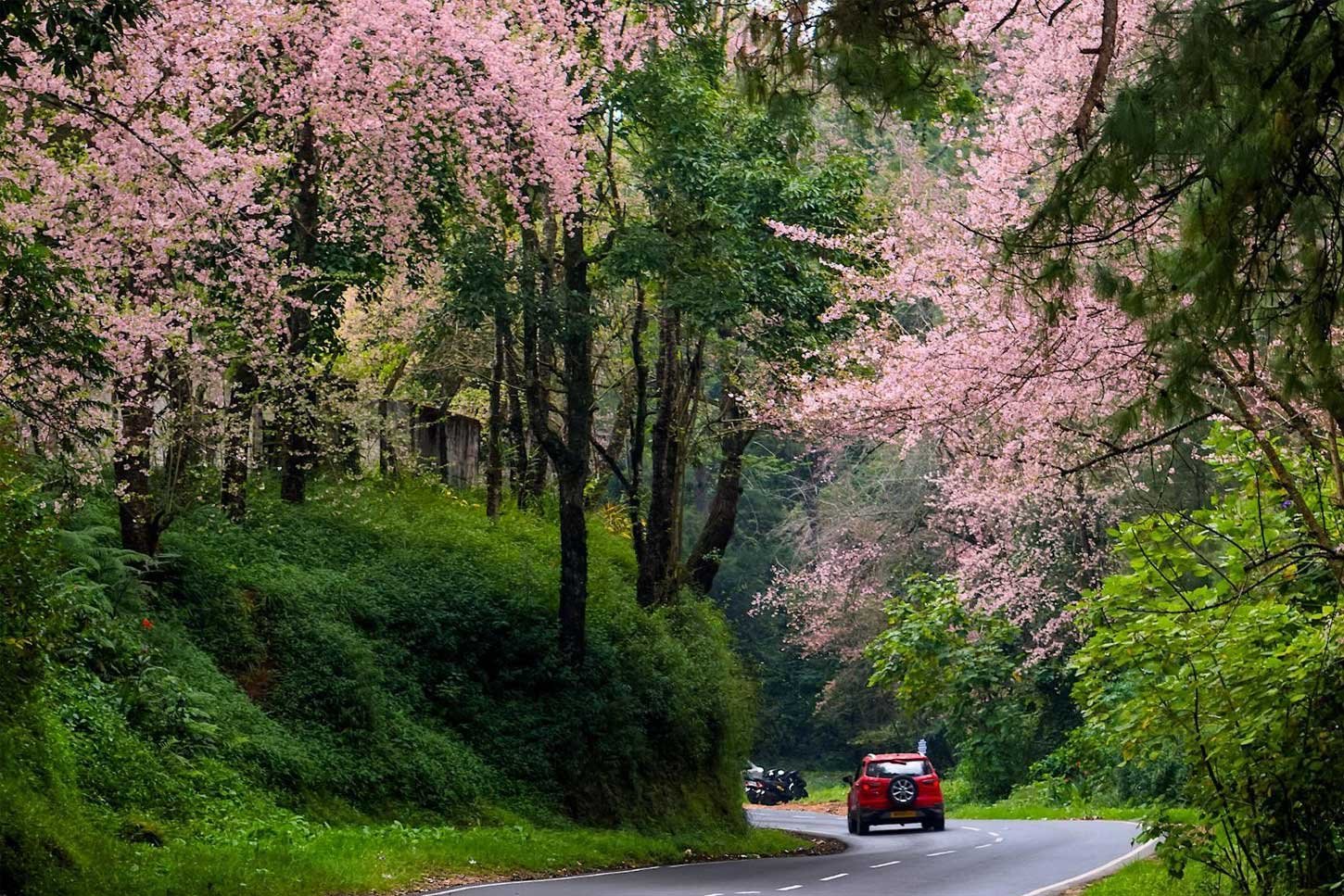
Often called the “Scotland of the East,” Shillong boasts pine-covered hills, waterfalls, and colonial charm. Visit Elephant Falls, Shillong Peak, and enjoy the music scene in local cafes. The nearby Mawlynnong is Asia’s cleanest village. Cherrapunji and Mawsynram, among the wettest places on Earth, are short drives away. It’s a perfect mix of culture and natural beauty.
Ziro Valley (Arunachal Pradesh)
Ziro is a peaceful valley surrounded by pine-covered mountains and paddy fields. It is home to the Apatani tribe, known for their unique facial tattoos and traditional lifestyle. The Ziro Music Festival draws indie music lovers from across the country. Trekking and village walks are popular activities here. Its climate remains pleasant almost year-round.
Loktak Lake (Manipur)
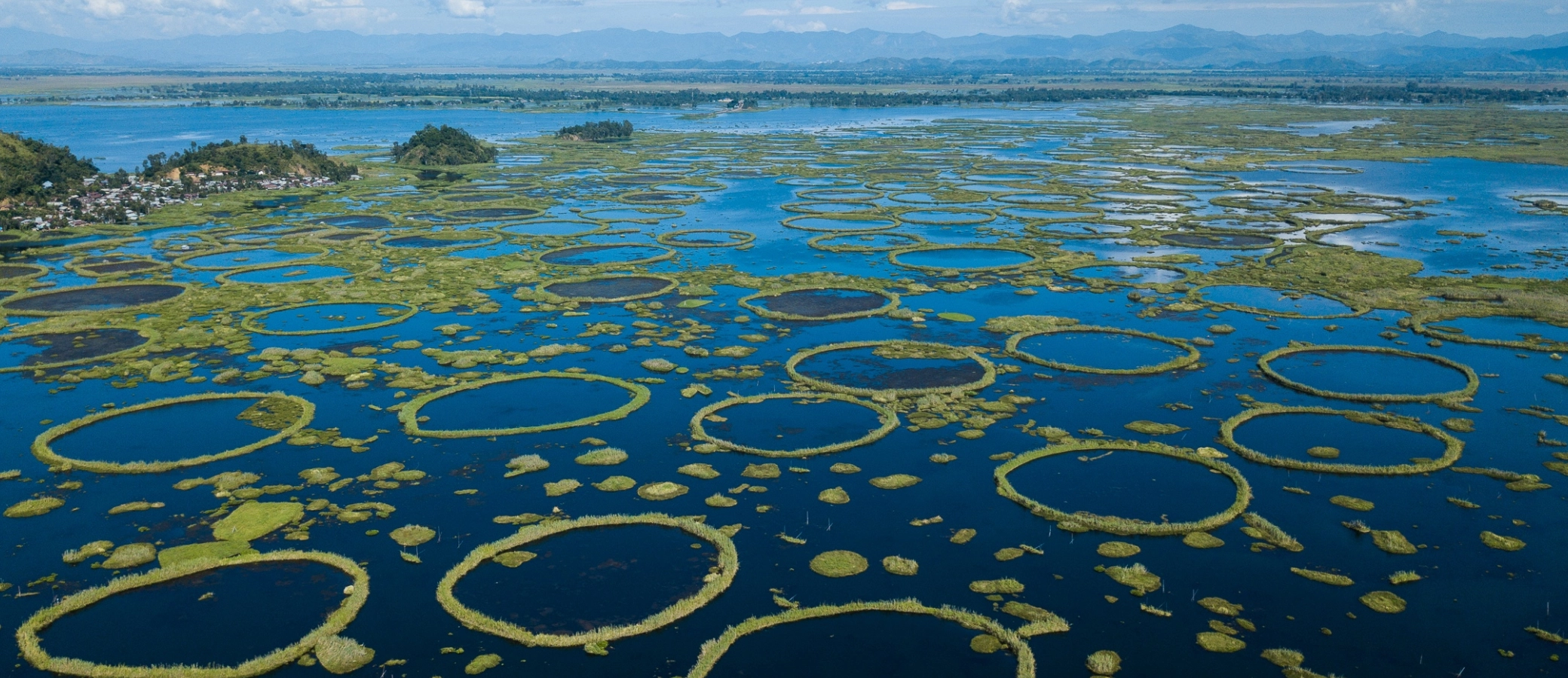
Loktak Lake is the largest freshwater lake in North-East India and is famous for its unique floating islands called phumdis. Located near Imphal, it is a haven for nature lovers, bird watchers, and photographers. The lake is also home to Keibul Lamjao National Park, the only floating national park in the world, where the endangered Sangai deer (Manipur’s state animal) can be found. Visitors can enjoy boating, explore fishermen’s huts on the phumdis, and experience traditional Manipuri village life. The serene beauty and ecological uniqueness make it a must-visit destination.